
How an oil futures contract settles: the 1,000 barrels that end up in Cushing, Oklahoma
The contract that sets the American benchmark, and the day in 2020 when its price went below zero
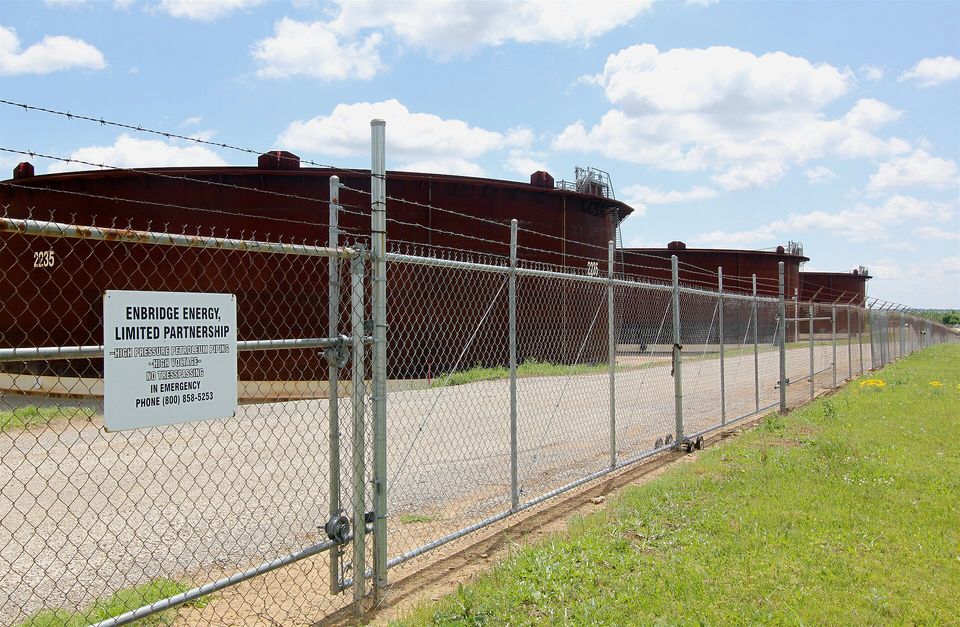
West Texas Intermediate is a physical contract: whoever holds it at expiry receives crude oil at a tank farm in Oklahoma. That design explains the benchmark, the role of Cushing, and how a price of minus 37 dollars became possible in April 2020.
Key points
- Each NYMEX WTI futures contract is for 1,000 barrels of light, sweet crude delivered at Cushing, Oklahoma, under rulebook Chapter 200.
- Trading in a WTI contract month ends three business days before the 25th calendar day of the month before delivery.
- On 20 April 2020 the expiring May WTI contract settled at minus 37.63 dollars a barrel, the first negative settlement in its history.
- ICE Brent is cash-settled against an index of physical North Sea cargoes rather than delivered, and prices most waterborne crude.
The WTI futures contract, traded on the New York Mercantile Exchange, part of CME Group, is the price most Americans hear when a newsreader says the price of oil. Each contract is for 1,000 barrels of light, sweet crude that meets the exchange's specification for sulphur and density, delivered during a named month at Cushing, Oklahoma.
Cushing is a small town whose tank farms and pipeline junctions make it the physical settlement point of the world's most traded oil contract. The exchange's rulebook, Chapter 200, sets out the grade, the delivery procedure and the timetable.
Why trade futures rather than barrels?
Most participants never take delivery. A refiner, an airline or a producer uses the contract to fix a price months ahead; a trader uses it to take a view. Positions are closed before expiry by selling what was bought, and the clearing house nets the result in cash through daily variation margin. Only the contracts still open at expiry go to physical delivery, by transfer of oil in storage or by pipeline at Cushing during the delivery month. Because delivery is real, the futures price and the spot price at Cushing converge as expiry approaches; that convergence is what makes the contract a benchmark rather than a bet.
The calendar
The CME specification sets trading in the contract for a given month to end three business days before the 25th calendar day of the month before delivery. There are contracts listed for many years ahead, and the pattern of prices across them, the curve, tells the market's story: a curve that rises into the future, called contango, pays traders to store oil; a curve that falls, backwardation, signals that oil is wanted now. The spread between the front two months is watched as a measure of physical tightness.
April 2020
On 20 April 2020, the last full trading day of the May 2020 contract, the front-month WTI settlement price fell to minus 37.63 dollars a barrel, the first negative settlement in the contract's history. The reason was the design described above. Demand had collapsed under the pandemic, storage at Cushing was close to full, and holders of the expiring contract who could not accept delivery had to find buyers with tank space on the last day. CME had announced a fortnight earlier that its systems could handle negative prices. The US Energy Information Administration's weekly data showed Cushing stocks at that point near the highest on record. The episode is now the standard illustration of the difference between a financial contract and the physical commodity behind it.
Brent, the other benchmark
The contract's international counterpart, ICE Brent, is cash-settled against an index of physical North Sea cargoes rather than delivered, and references a basket of crude grades loaded at sea. Most of the world's waterborne crude is priced against Brent; most North American crude, and the US retail news, against WTI. The gap between the two moves with pipeline capacity out of the American interior and with tanker rates, and is itself traded.
Frequently asked questions
Why did oil prices go negative in April 2020?
Demand had collapsed under the pandemic and storage at Cushing was close to full. Holders of the expiring May contract who could not accept delivery had to find buyers with tank space on the last day, and on 20 April 2020 the front-month contract settled at minus 37.63 dollars a barrel.
Do most oil futures traders take delivery of the oil?
No. Refiners, airlines, producers and traders usually close their positions before expiry, and the clearing house settles the result in cash through daily variation margin. Only the contracts still open at expiry go to physical delivery at Cushing.
What is the difference between WTI and Brent?
WTI is physically delivered at Cushing, Oklahoma, and prices most North American crude. ICE Brent is cash-settled against an index of North Sea cargoes, and most of the world's waterborne crude is priced against it.
Sources
- NYMEX Rulebook, Chapter 200: Light Sweet Crude Oil Futures
- Crude Oil (WTI) futures: contract specifications
- Clearing Advisory 20-152: CME Clearing plan to address the potential of a negative underlying in certain energy options contracts (8 April 2020)
- Clearing Advisory 20-160: testing negative prices and strikes for certain NYMEX energy contracts (15 April 2020)
- Weekly Cushing, OK ending stocks excluding SPR of crude oil
- Weekly Petroleum Status Report
- Brent Crude Futures