
Eyes on the sky: the observatories
Eight places where the sky is measured, from a Hawaiian summit to the Chilean desert and a German valley. The photographs are open-licensed from Wikimedia Commons, and the photographer and licence are given under each.
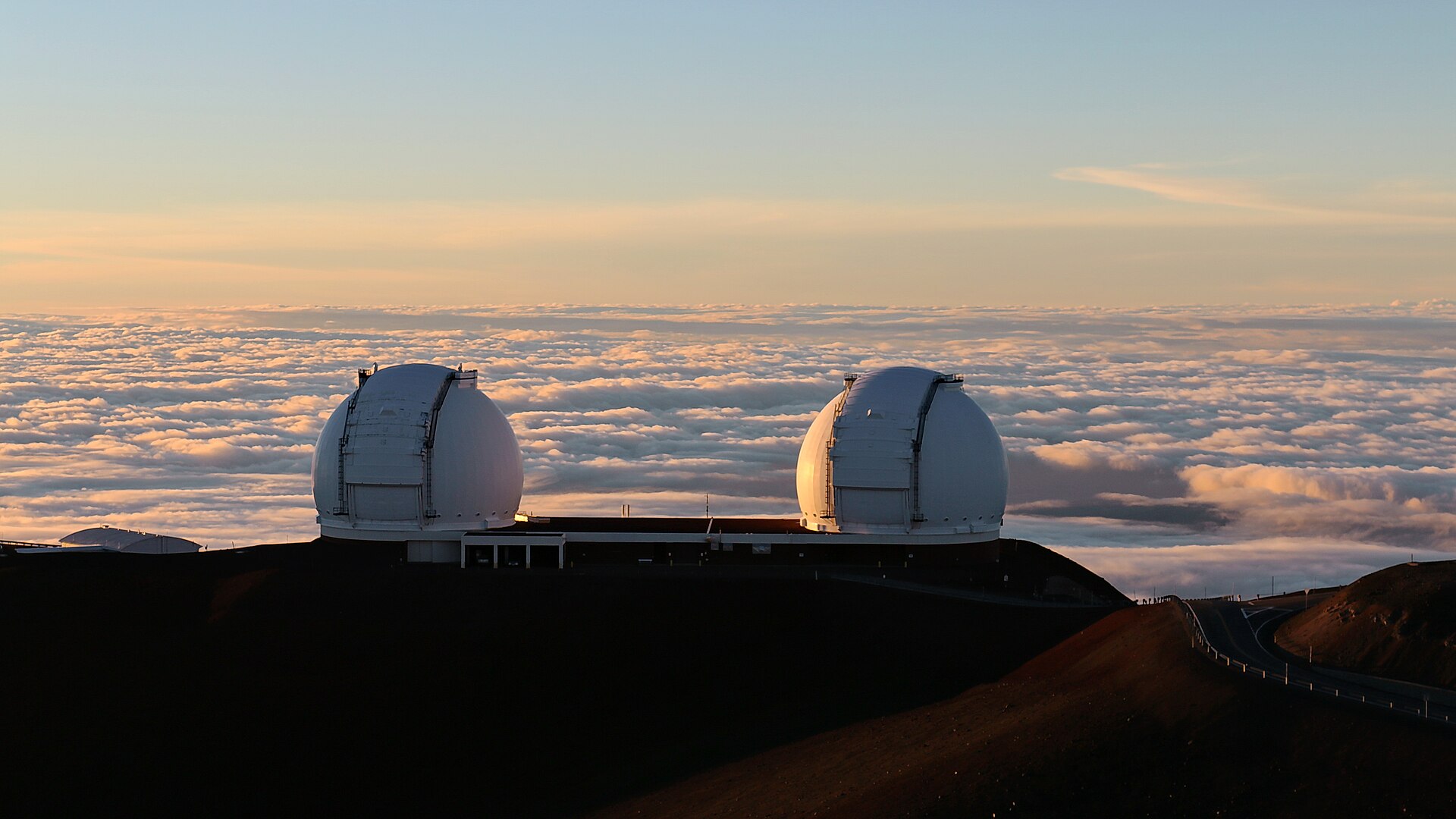
The two Keck telescopes on Mauna Kea, Hawaii — each 10-metre mirror is made of 36 segments — photo Robert Linsdell / Wikimedia Commons (CC BY 3.0) 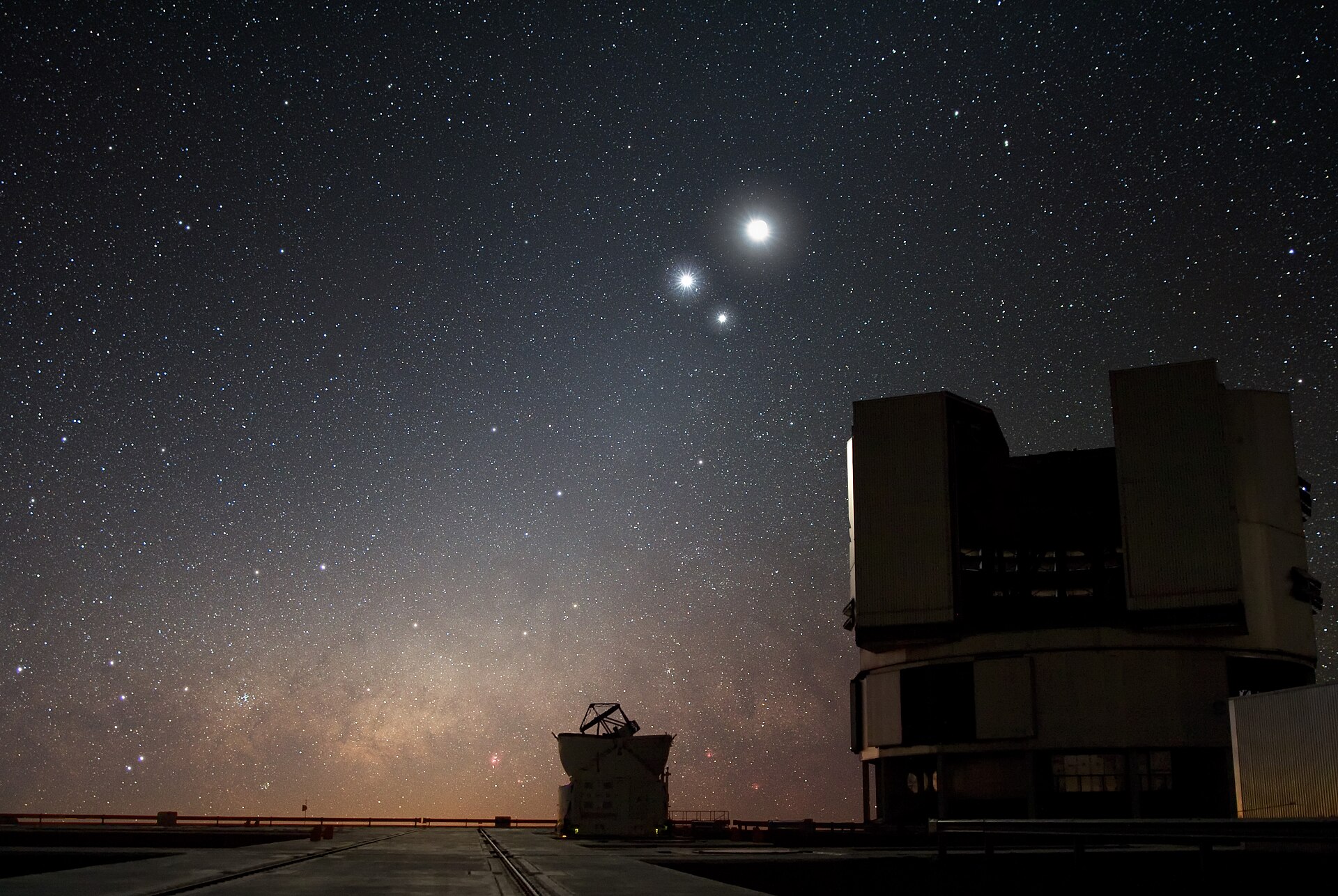
ESO's Very Large Telescope at Paranal, Chile — four 8.2-metre unit telescopes on a levelled mountaintop — photo ESO/Y. Beletsky / Wikimedia Commons (CC BY 4.0) 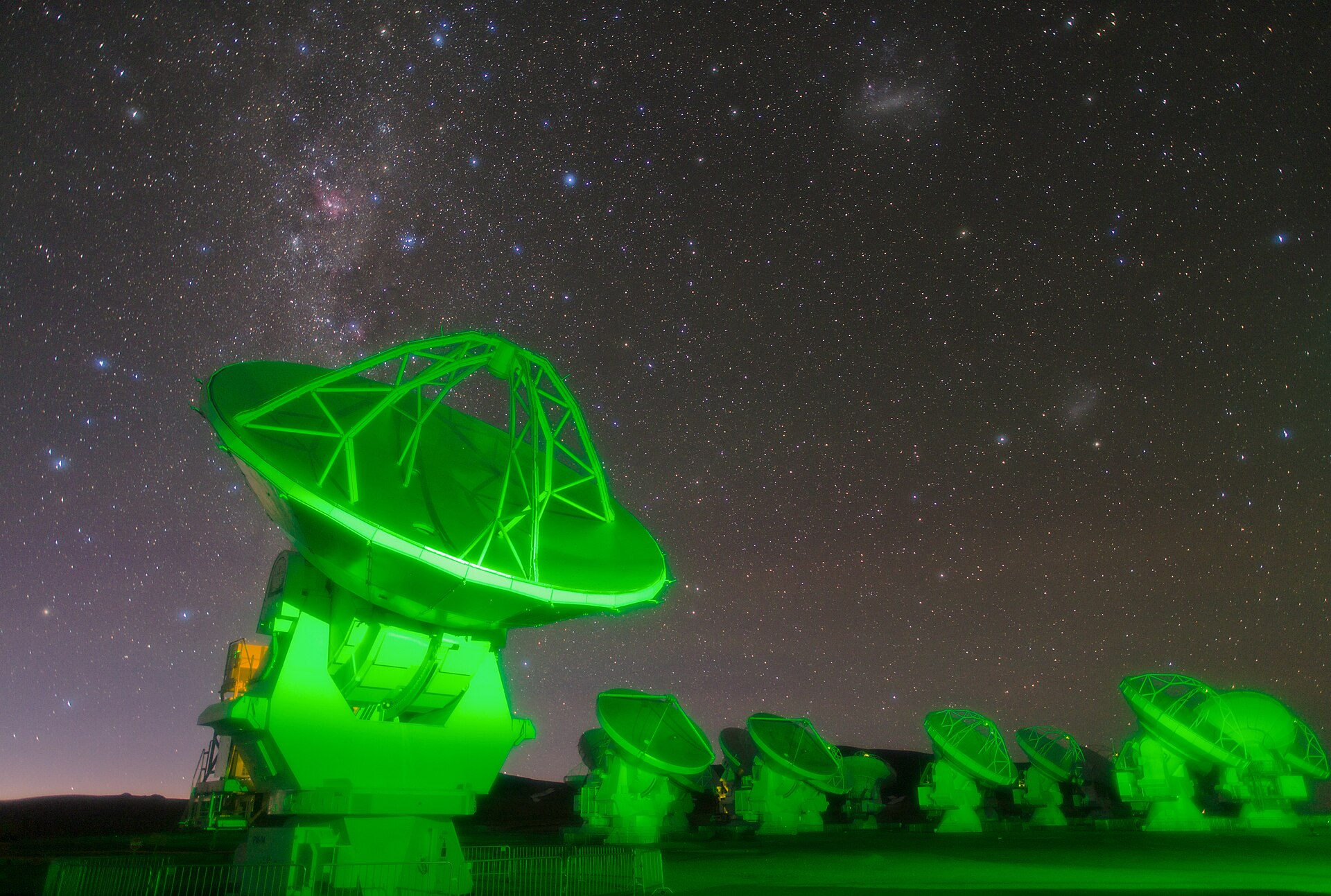
ALMA antennas on the Chajnantor plateau, Chile — an array of 66 dishes at 5,000 metres — photo ESO/B. Tafreshi (twanight.org) / Wikimedia Commons (CC BY 4.0) 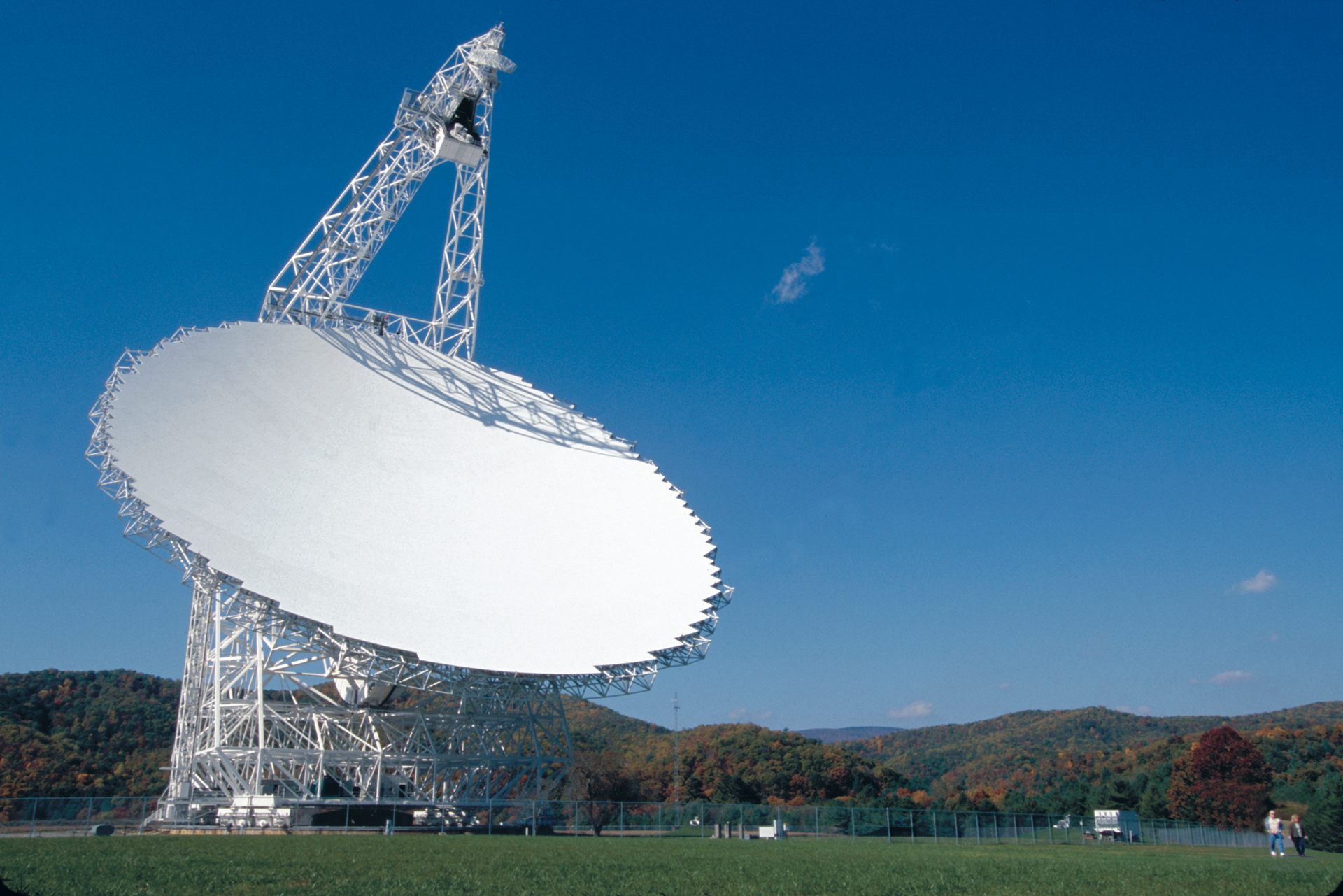
The Green Bank Telescope, West Virginia — a 100-metre dish, the largest fully steerable radio telescope — photo NRAO/AUI/NSF / Wikimedia Commons (CC BY 4.0) 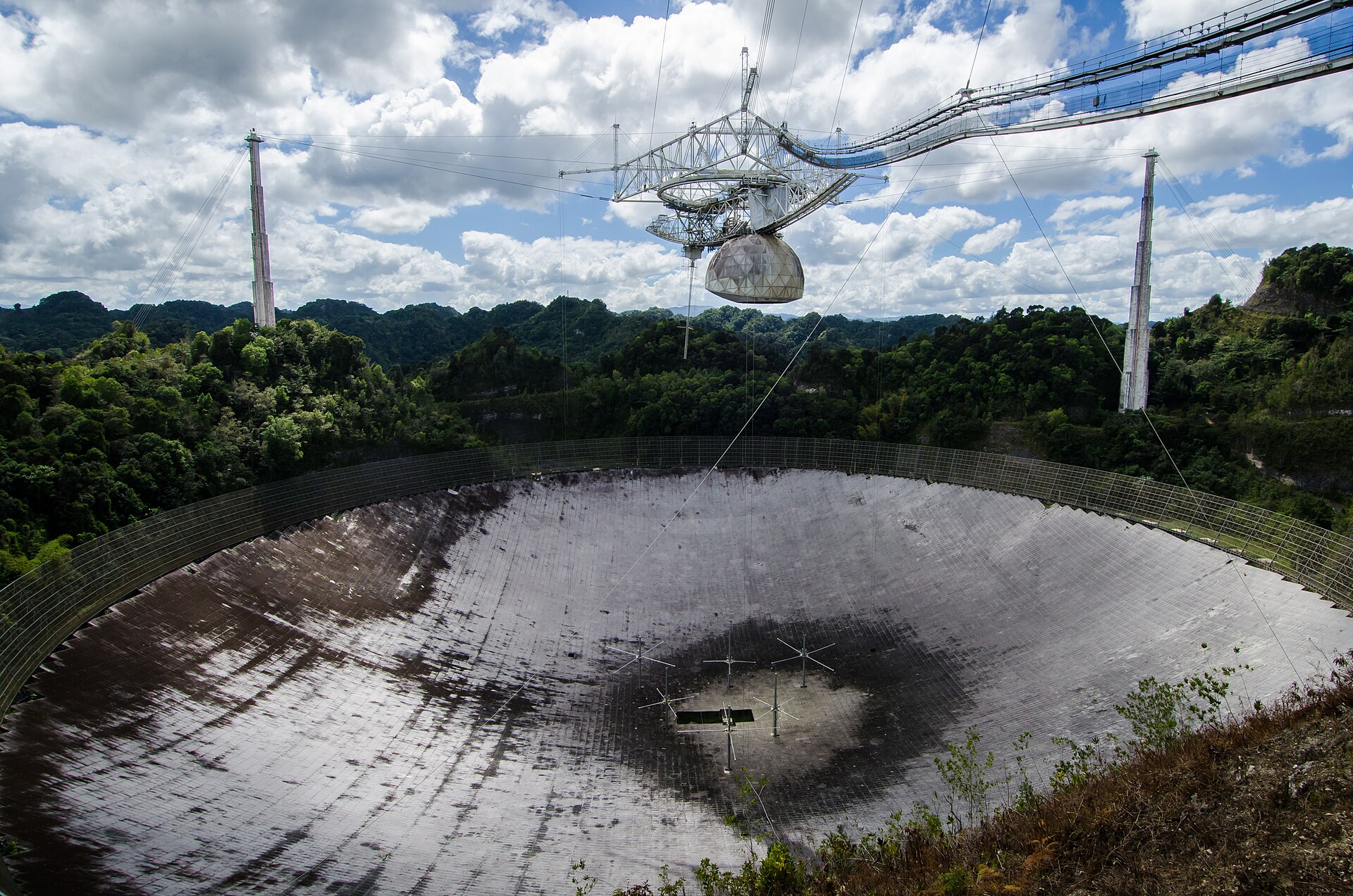
The Arecibo Observatory, Puerto Rico — its 305-metre dish collapsed in December 2020 — photo Jeff Hitchcock from Seattle, WA, USA / Wikimedia Commons (CC BY 2.0) 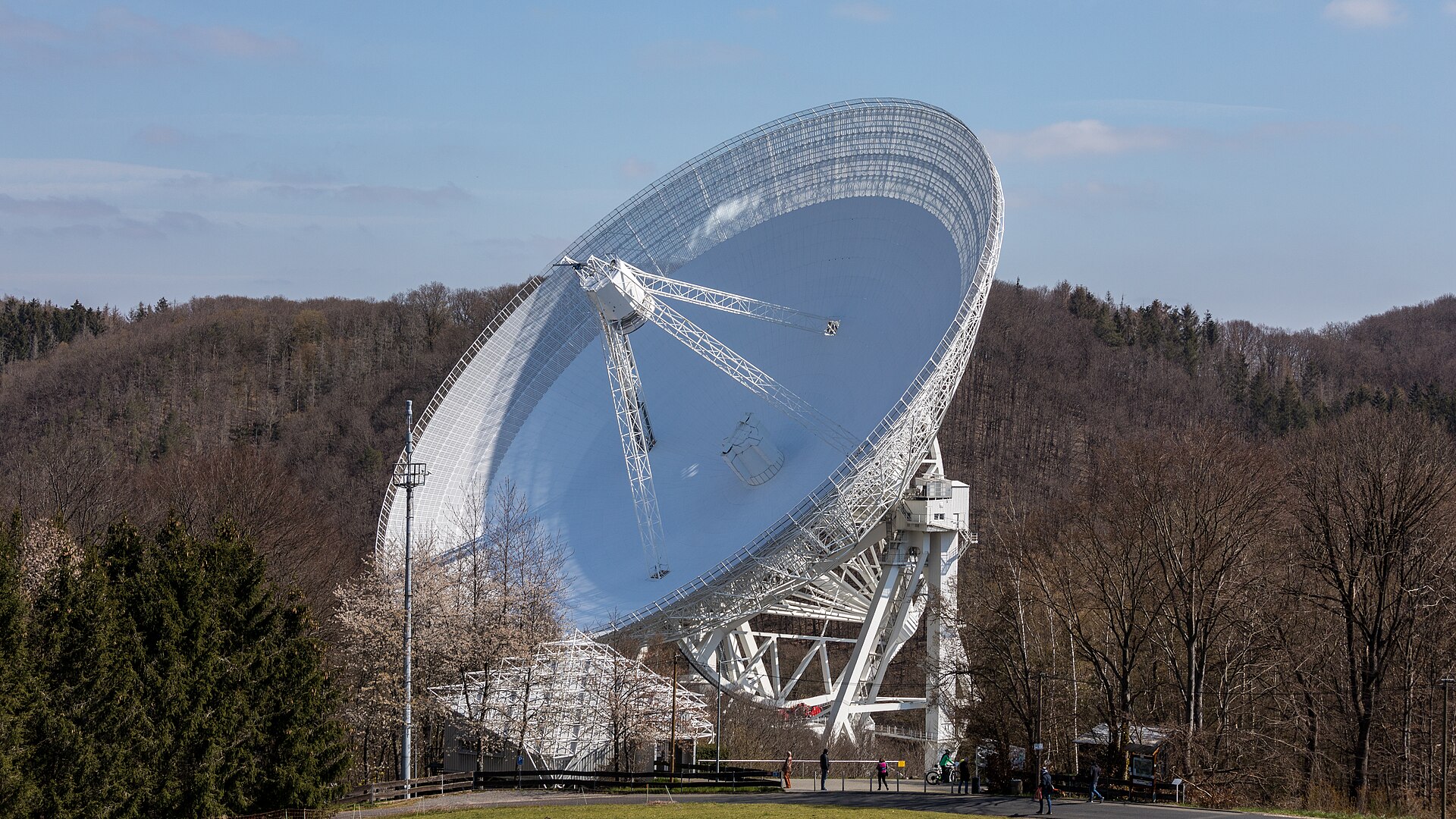
The Effelsberg radio telescope, Germany — a 100-metre dish run by the Max Planck Institute since 1972 — photo Raimond Spekking / Wikimedia Commons (CC BY-SA 4.0) 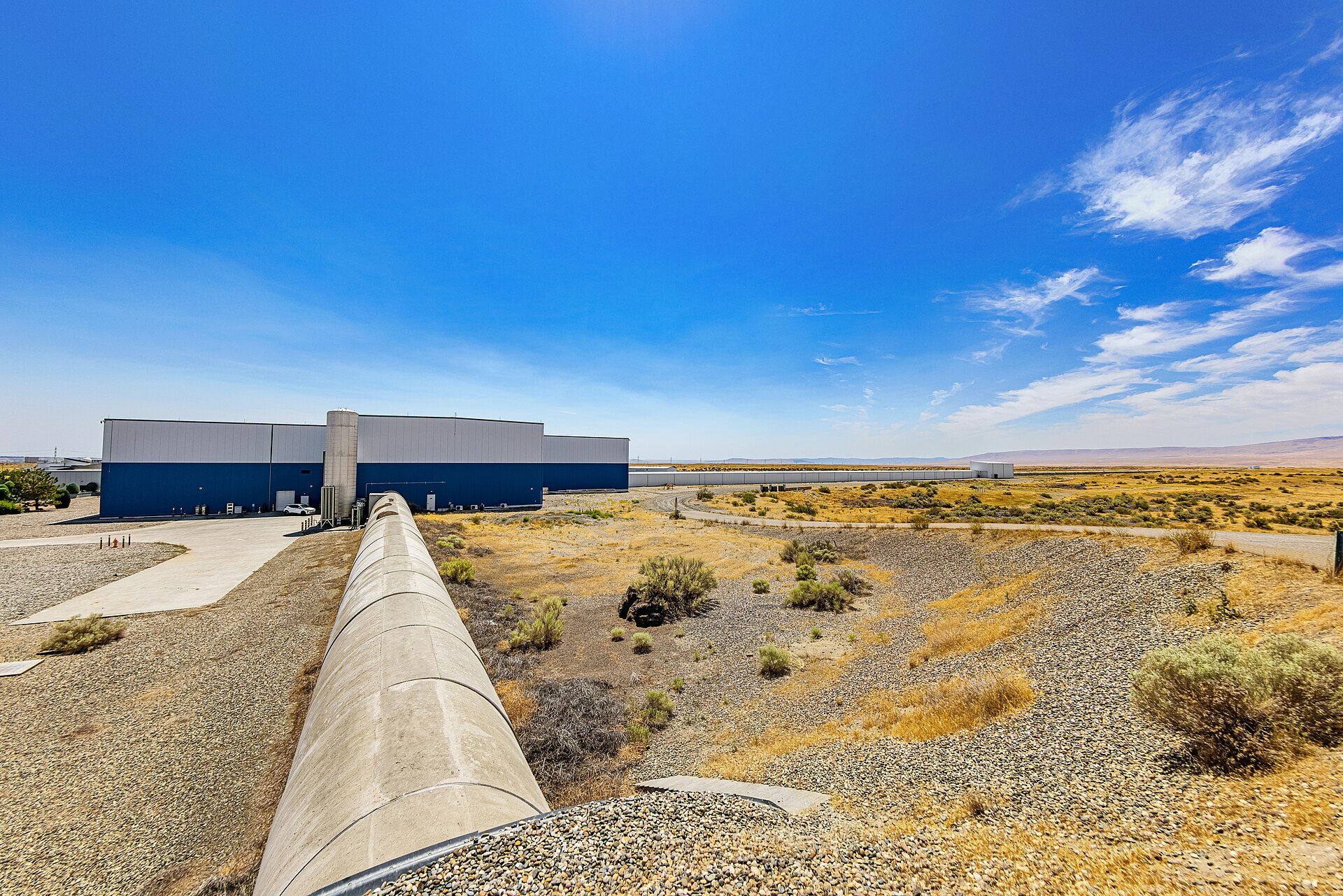
LIGO at Hanford, Washington — two 4-kilometre arms that detected gravitational waves in 2015 — photo NOIRLab/LIGO/NSF/AURA/T. Matsopoulos / Wikimedia Commons (CC BY 4.0) 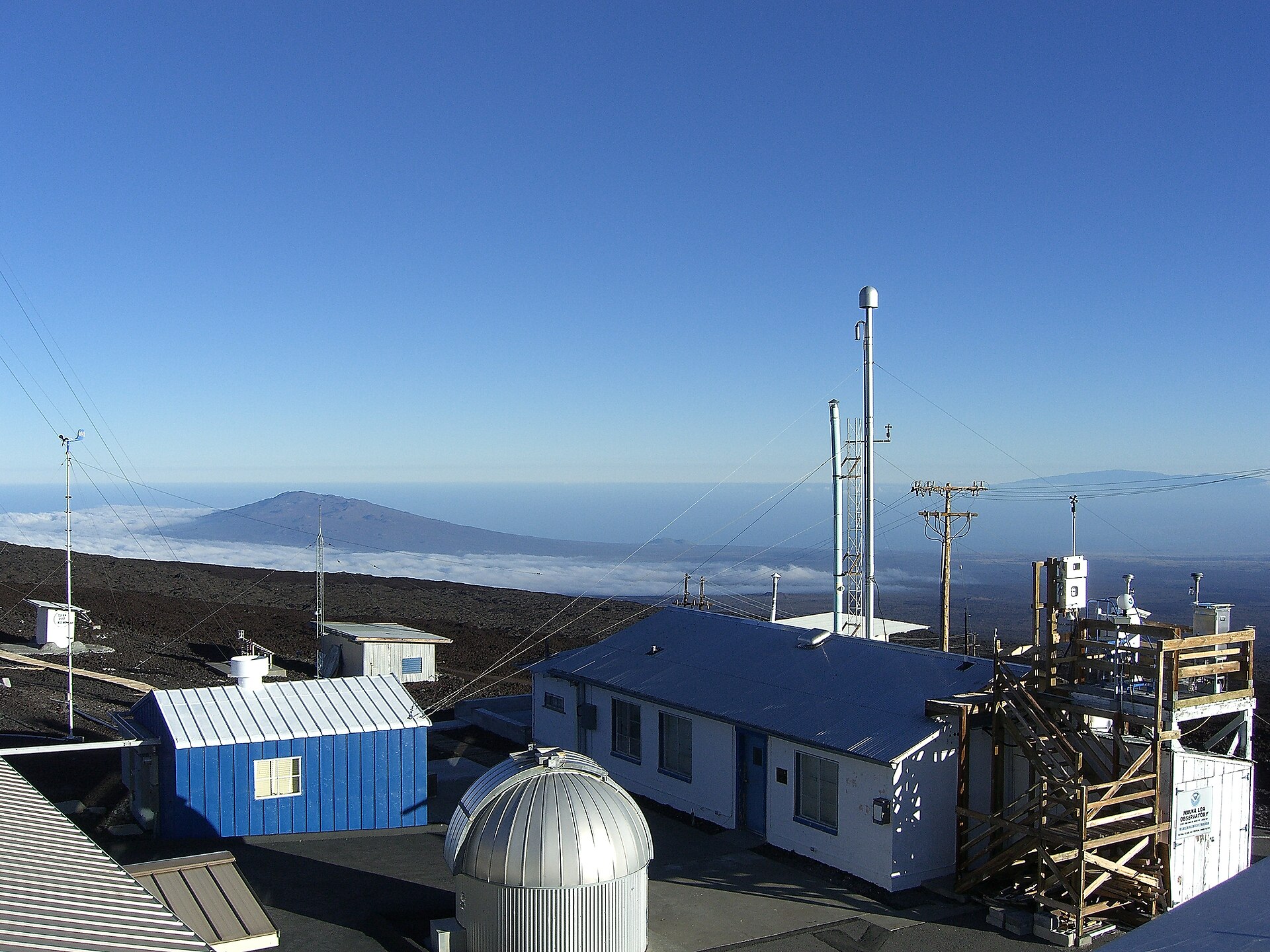
The Mauna Loa Observatory, Hawaii — the carbon dioxide record has been kept here since 1958 — photo Forrest M. Mims III / Wikimedia Commons (Public domain)