
What makes water safe to drink: the WHO guideline values and the plant that meets them
Zero E. coli in 100 millilitres, 10 micrograms of arsenic per litre, and a plan from catchment to tap
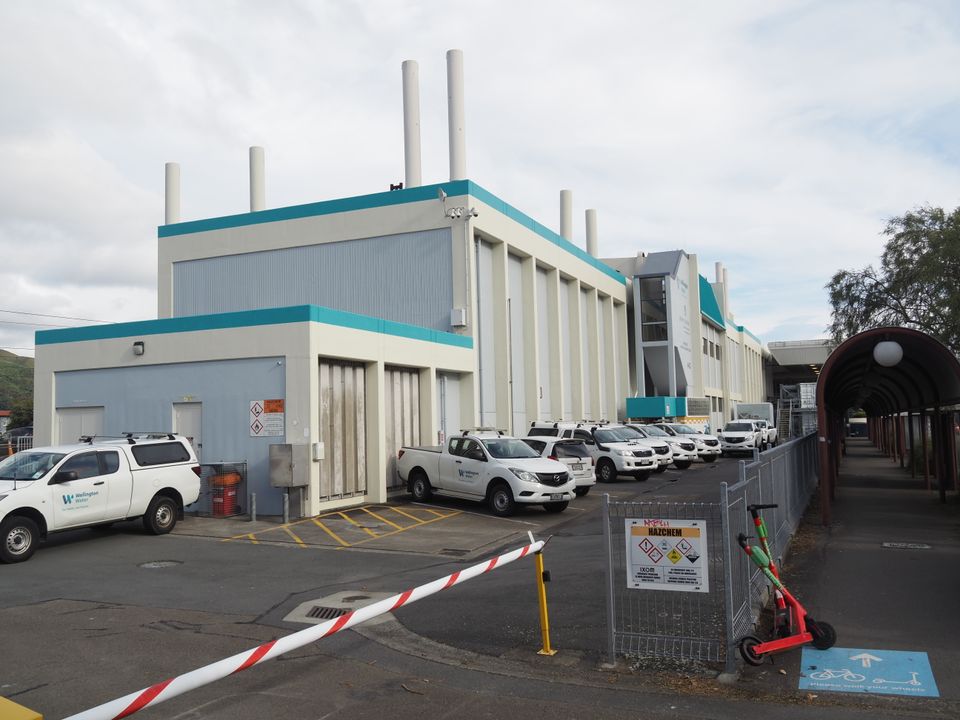
The World Health Organization's Guidelines for Drinking-water Quality are not a law anywhere, but they are the numbers most national standards are copied from. Here is what they require and how a treatment works delivers it.
Key points
- WHO's Guidelines for Drinking-water Quality are in a fourth edition of 2011 with two addenda, the second published in 2022.
- Under the WHO guidelines, E. coli or thermotolerant coliform bacteria must not be detectable in any 100-millilitre sample of drinking water.
- WHO guideline values include 0.01 mg/l for arsenic and for lead, 1.5 mg/l for fluoride and 50 mg/l for nitrate.
- The guidelines advise a free chlorine residual of 0.2 to 0.5 mg/l at the point of delivery; disinfection works best below 1 NTU of turbidity.
- The WHO/UNICEF Joint Monitoring Programme estimated that 73 per cent of the world's population used safely managed drinking water in 2022, leaving 2.2 billion without it.
Water is safe to drink, by the World Health Organization's guidelines, when no E. coli is detectable in any 100-millilitre sample and chemicals stay below health-based values, such as 0.01 milligrams per litre for arsenic and lead. Treatment plants meet those values through coagulation, settling, filtration and disinfection, managed under a Water Safety Plan.
The Guidelines for Drinking-water Quality are published by the World Health Organization, currently in a fourth edition of 2011 with two addenda, the second in 2022. They are a reference, not a regulation: WHO says they are meant to be adapted to national circumstances, and most countries' legal standards, including the European Union's Drinking Water Directive, take their numbers from them. The guidelines' central idea since the third edition has been the Water Safety Plan, a documented assessment of everything that could contaminate the water from the catchment to the consumer's tap, with controls at each point, rather than reliance on testing the finished product.
Which guideline values matter most?
The guideline values are health-based: each is the concentration at which, over a lifetime of consumption, the guidelines judge there to be no appreciable risk. For microbial safety the requirement is stark: Escherichia coli or thermotolerant coliform bacteria must not be detectable in any 100-millilitre sample, because their presence shows faecal contamination, the cause of most waterborne disease. Among chemicals, arsenic has a provisional guideline value of 0.01 milligrams per litre (10 micrograms), lead of 0.01 mg/l, fluoride of 1.5 mg/l, and nitrate of 50 mg/l, the last set to protect bottle-fed infants. For chlorine, the disinfectant most works use, the guidelines advise a free residual of 0.2 to 0.5 mg/l at the point of delivery so that the water is still protected in the pipes.
What a treatment works does
A conventional surface-water plant, like the one at Waterloo in Ontario pictured here, works in stages. Raw water is screened and dosed with a coagulant, usually an aluminium or iron salt, which makes fine particles clump; gentle stirring, flocculation, builds the clumps into flocs, which settle in sedimentation tanks or are floated off. The clarified water passes through filters of sand and anthracite, or through membranes, which remove the remaining particles and most protozoa such as Cryptosporidium, whose cysts resist chlorine. Disinfection follows, with chlorine, chloramine, ozone or ultraviolet light, and the guidelines note that disinfection works best when turbidity is below 1 nephelometric turbidity unit, since particles shield microbes. Groundwater from a deep aquifer may need only disinfection; water with arsenic or fluoride needs specific removal steps.
Monitoring
The plan sets operational limits, turbidity after filtration and chlorine residual above all, that operators check continuously, with laboratory testing for bacteria and chemicals on a schedule. Compliance is reported to a regulator, which in most countries is separate from the utility. Where there is no piped supply, the guidelines' household water treatment section covers boiling, chlorination and filtration at the point of use.
How much of the world has it
The WHO/UNICEF Joint Monitoring Programme counts a supply as safely managed if it is on the premises, available when needed and free of faecal and priority chemical contamination. Its 2023 report estimated that 73 per cent of the world's population used safely managed drinking water in 2022, and that 2.2 billion people did not, the target under Sustainable Development Goal 6.1 being universal access by 2030.
Frequently asked questions
Are the WHO drinking-water guidelines legally binding?
No. They are a reference, not a regulation, and WHO says they are meant to be adapted to national circumstances. Most countries' legal standards, including the European Union's Drinking Water Directive, take their numbers from them.
What is a Water Safety Plan?
A documented assessment of everything that could contaminate the water from the catchment to the consumer's tap, with controls at each point. It has been the central idea of the WHO guidelines since the third edition, in place of reliance on testing the finished product.
Does chlorine kill everything in drinking water?
No. The cysts of protozoa such as Cryptosporidium resist chlorine, which is why plants filter water through sand and anthracite or membranes before disinfecting it. Particles also shield microbes, so disinfection works best when turbidity is below 1 nephelometric turbidity unit.
Sources
- Guidelines for drinking-water quality: fourth edition incorporating the first and second addenda (2022)
- Water safety plan manual: step-by-step risk management for drinking-water suppliers, second edition (2023)
- Progress on household drinking water, sanitation and hygiene 2000–2022: special focus on gender (2023)