
What WHO prequalification is: the list that decides which vaccines UNICEF and Gavi may buy
A dossier, a factory inspection and lot testing: not a licence, but the gate to UN purchasing
The World Health Organization does not license vaccines; national regulators do. But a vaccine that is not on WHO's prequalified list cannot be bought with United Nations money, which makes the list the most consequential in global immunisation.
Key points
- WHO prequalification began in 1987 at UNICEF's request and was extended to medicines in 2001, then to diagnostics, vector-control products and immunisation equipment.
- UNICEF's Supply Division, which says it procures more than two billion vaccine doses a year for around a hundred countries, buys only prequalified vaccines.
- A vaccine must already be licensed by a functional national regulatory authority before WHO reviews its dossier, inspects the site and tests consecutive lots.
- WHO listed the first COVID-19 vaccine, from Pfizer and BioNTech, for emergency use on 31 December 2020.
- The first malaria vaccine, RTS,S/AS01, was prequalified in July 2022 and the second, R21/Matrix-M, in December 2023.
WHO prequalification is the World Health Organization's assessment that a specific vaccine, made at a specific site, meets international standards of quality, safety and efficacy and suits the populations and conditions in which UN agencies will use it. It decides which vaccines UNICEF may buy and Gavi may fund, because both require it.
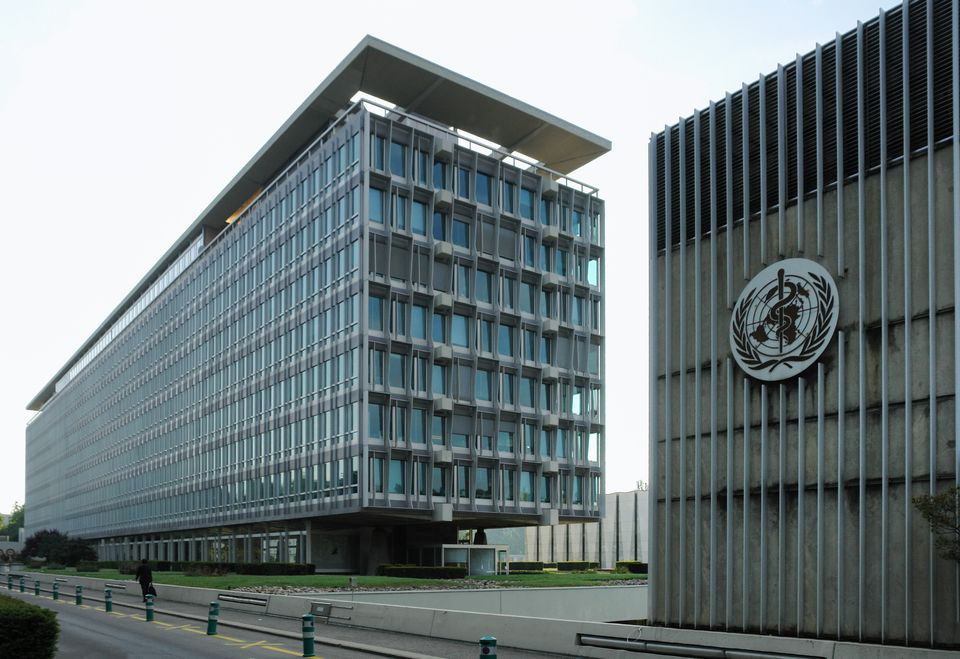
Prequalification began in 1987, when UNICEF asked WHO to vet the vaccines it was buying for developing countries, and was extended to medicines in 2001, and later to diagnostics, vector-control products and immunisation equipment. The work is done from WHO's headquarters at Pregny-Chambésy above Geneva, and the outcome is a published list.
Why does the list matter?
UNICEF's Supply Division, which says it procures more than two billion vaccine doses a year for around a hundred countries, buys only prequalified vaccines. So does the Pan American Health Organization's Revolving Fund, and Gavi, the Vaccine Alliance, which finances immunisation in lower-income countries, requires prequalification for the products it funds. A manufacturer that wants that market must therefore pass WHO's assessment, whatever licences it holds at home.
What the assessment involves
The procedure is set out in a WHO document adopted by its Expert Committee on Biological Standardization. First, the vaccine must already be licensed by the national regulatory authority of the country where it is made, and WHO relies on that authority, so it must be one WHO has assessed as functional. The manufacturer then submits a dossier covering production, quality control, clinical data and stability, which WHO scientists and outside experts review. A team inspects the manufacturing site against WHO's Good Manufacturing Practice standards. Samples of consecutive lots are tested in a WHO-contracted laboratory, and the labelling and packaging are checked against the needs of large campaigns: multi-dose vials, vaccine vial monitors, thermostability. After listing, the manufacturer must report changes, WHO re-inspects periodically, and it can suspend or withdraw a product.
Emergency Use Listing
During an emergency, WHO applies a faster and narrower procedure, Emergency Use Listing, to products that are not yet fully licensed but for which the available data show the benefits outweigh the risks. The first COVID-19 vaccine, from Pfizer and BioNTech, was listed on 31 December 2020, followed by others through 2021, and the COVAX facility distributed vaccines on the basis of those listings. An EUL is time-limited and is meant to lead to full prequalification.
Recent additions
The list has grown with new diseases and new makers. The first malaria vaccine, RTS,S/AS01, was prequalified in July 2022, and the second, R21/Matrix-M, in December 2023, opening the way to Gavi-funded roll-out in African countries. A growing number of prequalified vaccines come from manufacturers in India, Indonesia, Brazil, China and South Korea, which is one reason the prices UNICEF publishes for routine vaccines have fallen over two decades.
What it is not
Prequalification is not a marketing authorisation and does not replace national licensing where a vaccine is used; importing countries still register the product, though many rely on WHO's assessment to do so quickly. Nor does the list cover every safe vaccine in the world: a manufacturer that does not sell to UN agencies has no reason to apply.
Frequently asked questions
Is WHO prequalification the same as a licence?
No. Prequalification is not a marketing authorisation and does not replace national licensing; importing countries still register the product, though many rely on WHO's assessment to do so quickly. A vaccine must in fact already be licensed by the regulator of the country where it is made before WHO will assess it.
What is the difference between prequalification and Emergency Use Listing?
Emergency Use Listing is a faster, narrower WHO procedure used during an emergency for products not yet fully licensed, where the available data show the benefits outweigh the risks. It is time-limited and meant to lead to full prequalification; the first COVID-19 vaccine was listed this way on 31 December 2020.
Why would a safe vaccine not be on the WHO list?
Because manufacturers apply only if they want to sell to UN agencies. A maker that does not supply UNICEF, the Pan American Health Organization's Revolving Fund or Gavi-funded programmes has no reason to seek prequalification, so the list does not cover every safe vaccine in the world.
Sources
- Prequalification of medical products: vaccines
- Prequalified vaccines
- Procedure for assessing the acceptability, in principle, of vaccines for purchase by United Nations agencies (TRS 978, Annex 6)
- System for the prequalification of vaccines for UN supply
- WHO issues its first emergency use validation for a COVID-19 vaccine (31 December 2020)
- WHO prequalifies a second malaria vaccine (21 December 2023)
- Vaccines