
Special Drawing Rights: the IMF's reserve asset that is not a currency and cannot be spent in a shop
A basket of five currencies, allocated by quota, and the largest hand-out in the Fund's history in 2021
The SDR was created in 1969 to supplement countries' reserves. It is valued from the dollar, euro, renminbi, yen and pound, held only by governments and official bodies, and swapped for real currency when a country needs it.
Key points
- The IMF created the Special Drawing Right in 1969; the Fund calls it "neither a currency nor a claim on the IMF".
- Since 1 August 2022 the SDR basket weights are: US dollar 43.38%, euro 29.31%, renminbi 12.28%, yen 7.59% and pound sterling 7.44%.
- On 23 August 2021 the IMF allocated SDR 456.5 billion, then about US$650 billion, its largest allocation, taking cumulative allocations to SDR 660.7 billion.
- SDR allocations need an 85 per cent majority of IMF voting power and are distributed in proportion to members' quotas.
- The Chinese renminbi entered the SDR basket on 1 October 2016, after the IMF judged it "freely usable".
The Special Drawing Right is a reserve asset, not a currency: it cannot be spent in a shop, and only member governments of the International Monetary Fund, the Fund itself and a small list of prescribed official holders such as the Bank for International Settlements hold it. A country can swap its SDRs for dollars, euros or other freely usable currencies; their value is set daily from a basket of five currencies.
The Fund created the SDR in 1969, when the world's official reserves were gold and dollars and both were thought to be running short. It is defined in Article XV of the Fund's Articles of Agreement, and the Fund calls it "neither a currency nor a claim on the IMF". An SDR is a potential claim on the freely usable currencies of IMF members: a member holding SDRs exchanges them with another member through arrangements the Fund organises.
How is the SDR valued?
The SDR's value is set each day from a basket of currencies. The basket is reviewed every five years, and the weights fixed at the 2022 review, in force since 1 August 2022, are: US dollar 43.38 per cent, euro 29.31 per cent, Chinese renminbi 12.28 per cent, Japanese yen 7.59 per cent and pound sterling 7.44 per cent. The renminbi entered the basket on 1 October 2016 after the Fund judged it "freely usable". The Fund publishes the SDR's dollar value every day and an SDR interest rate every week, derived from short-term government rates in the same five currencies; that rate is what members pay when their SDR holdings fall below their allocation and receive when they rise above it.
Allocations by quota
The Fund creates SDRs by allocation, which requires an 85 per cent majority of the voting power of its members and is distributed in proportion to each member's quota, the capital subscription that also fixes its votes and borrowing limits. The United States, with the largest quota, therefore receives the largest share. Allocations have been rare: in 1970–72, 1979–81, a general allocation in 2009 during the financial crisis, and the largest of all on 23 August 2021, when the Fund allocated SDR 456.5 billion, then equivalent to about US$650 billion, to help members through the pandemic. That took cumulative allocations to SDR 660.7 billion. Because the split follows quotas, the Fund says about SDR 193 billion of the 2021 allocation went to emerging and developing countries; richer members have since been asked to channel part of theirs to trusts that lend to poorer ones.
What it is used for
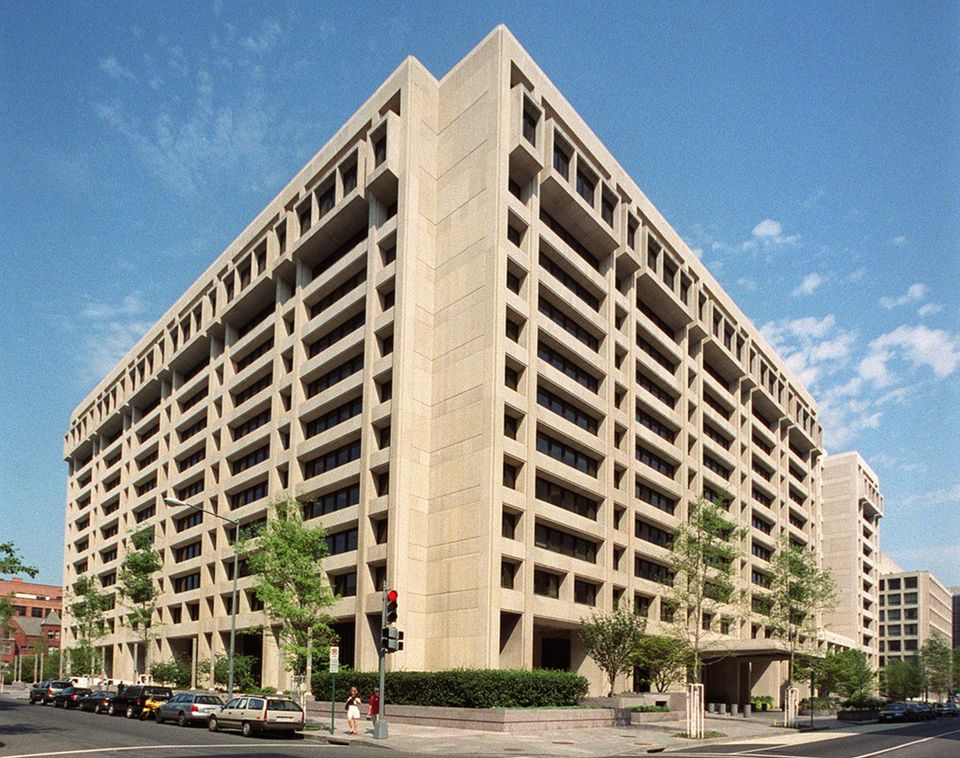
Members count SDRs as part of their reserves, pay their quota subscriptions partly in SDRs, settle some obligations to the Fund in them, and use them as the unit in which the Fund's own lending is denominated. A few international agreements price things in SDRs; the limits on an airline's liability under the Montreal Convention, for instance, are written in SDRs. Nobody pays a bill in them, and the Fund's headquarters on 19th Street in Washington keeps no notes or coins. The Fund had 191 members after Liechtenstein joined in October 2024.
Frequently asked questions
Can individuals or companies hold SDRs?
No. SDRs are held only by IMF member governments, the Fund itself and a small list of prescribed official holders such as the Bank for International Settlements. Nobody pays a bill in them, and the Fund keeps no SDR notes or coins.
How does a country use its SDRs?
It can exchange them with another member for dollars, euros or other freely usable currencies through arrangements the IMF organises. Members also count SDRs in their reserves, pay part of their quota subscriptions in them and settle some obligations to the Fund in them.
Why did most of the 2021 SDR allocation go to richer countries?
Allocations follow quotas, the capital subscriptions that also fix members' votes, so the largest economies receive the largest shares. The Fund says about SDR 193 billion of the 2021 allocation went to emerging and developing countries; richer members have since been asked to channel part of theirs to trusts that lend to poorer ones.