
A sector in a page: generic pharmaceuticals, the copies that fill nine prescriptions in ten
Part six of six: how the generics industry works, the 1984 law that created it, and what the price data says
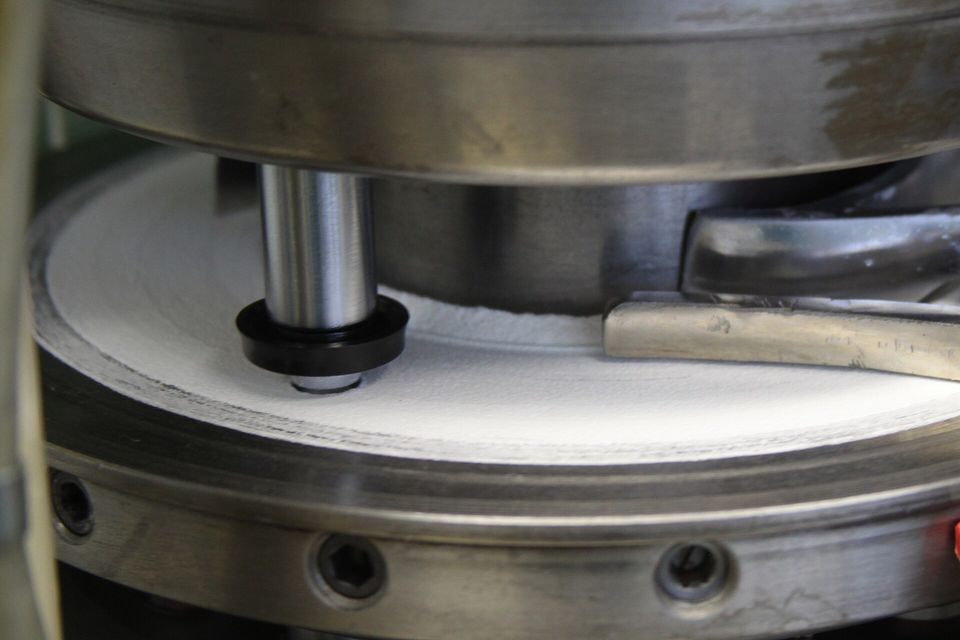
When a medicine's patent expires, other companies may make it, and the price falls. Part six of the series explains the approval route that made that possible, the Indian and multinational firms that dominate it, the regulators, and the numbers on volume and price.
Key points
- A generic medicine has the same active ingredient, strength, dosage form and route as the original and must be shown to be bioequivalent.
- The FDA states that nine out of ten US prescriptions are filled with generics, which account for a small share of drug spending.
- The Hatch-Waxman Act of 1984 created the abbreviated new drug application and 180 days of exclusivity for the first patent challenger.
- The EU gives a new medicine eight years of data protection and two further years of market protection after approval.
- FDA analysis shows prices fall by more than half with the second or third generic entrant and by around 90 per cent with six or more.
A generic medicine is a copy of a drug whose patent and regulatory exclusivity have expired, shown to be bioequivalent to the original. The US Food and Drug Administration states that nine out of ten prescriptions filled in the United States are for generics, while they account for a small share of drug spending.
A generic has the same active ingredient, strength, dosage form and route of administration as the original, and bioequivalence means that it delivers the same amount of the drug to the blood at the same rate within accepted limits. Because the generic maker need not repeat the clinical trials that proved the original safe and effective, its cost of entry is a fraction of the originator's, and competition among several generic makers drives the price down sharply.
How it is structured
The sector was created by law. The US Drug Price Competition and Patent Term Restoration Act of 1984, known as Hatch-Waxman, established the abbreviated new drug application, which lets a generic maker rely on the originator's safety and efficacy data, and balanced it with an extension of the originator's patent term to compensate for time lost in regulatory review; it also gave the first generic company to challenge a patent 180 days of market exclusivity, a prize that shaped the industry's litigation. The European Union applies a similar system through the European Medicines Agency and the national agencies, with eight years of data protection and two further years of market protection after a new drug's approval. The manufacturers are a mix of large Indian firms, Sun Pharma, Dr Reddy's, Cipla, Lupin and Aurobindo, whose plants make a large share of the world's generic tablets; Teva of Israel, the largest by revenue for many years; Sandoz, spun off by Novartis in October 2023; and Viatris. Most active ingredients, whoever presses the tablets, are made in India and China. Biosimilars, copies of biological medicines, follow a separate and costlier approval route.
Who regulates generic medicines?
The FDA and the EMA approve generics and inspect the plants that make them, wherever they are; the FDA's warning letters to overseas manufacturers, published on its website, are the sector's most-read documents. The World Health Organization's prequalification programme certifies generics for purchase by UN agencies and the Global Fund. Pricing is regulated by the buyers: national health systems in Europe that run tenders or reference prices, and in the United States the pharmacy benefit managers and the Medicaid programme. Patent disputes are decided in the courts, and settlements in which an originator pays a generic company to delay entry have been pursued by the US Federal Trade Commission and the European Commission as anti-competitive.
What the data says
The FDA's Office of Generic Drugs has published analyses showing that the price of a drug falls by more than half with the second or third generic entrant and by around 90 per cent with six or more. The IQVIA Institute's reports put generics and biosimilars at the large majority of medicines dispensed in every major market and a minority of spending. Against that record stand the shortages: the FDA's drug shortage list and the European Medicines Agency's monitoring show that the medicines most often unavailable are old, cheap, generic injectables, whose prices have fallen so far that manufacturers exit. The cheapness of generics is the sector's achievement and, the shortage data suggests, its problem.
Frequently asked questions
Are generic drugs the same as brand-name drugs?
A generic has the same active ingredient, strength, dosage form and route of administration as the original and must be shown to be bioequivalent: it delivers the same amount of the drug to the blood at the same rate, within accepted limits.
Why are generic medicines cheaper?
The generic maker need not repeat the clinical trials that proved the original safe and effective, so its cost of entry is a fraction of the originator's. Competition then drives prices down: FDA analyses show falls of more than half with the second or third entrant and around 90 per cent with six or more.
Why are some generic drugs in short supply?
The FDA's drug shortage list and the European Medicines Agency's monitoring show that the medicines most often unavailable are old, cheap generic injectables, whose prices have fallen so far that manufacturers exit.